The familiar strong “chlorine” smell at a pool usually comes from chloramines, which form when chlorine reacts with swimmer contaminants. Treat it as a reason to investigate the water and, indoors, the air—not as a measurement of how much free chlorine you have.
What’s the distinction that matters?
Free chlorine is available for disinfection. Combined chlorine forms through reactions with contaminants; chloramines are part of that picture. Sweat and other body waste supply material for those reactions, which also use up available chlorine. This is the mechanism behind the odor described in CDC’s pool-irritation guidance.
Your nose gives you a warning to check. A suitable water test gives you the result needed to act.
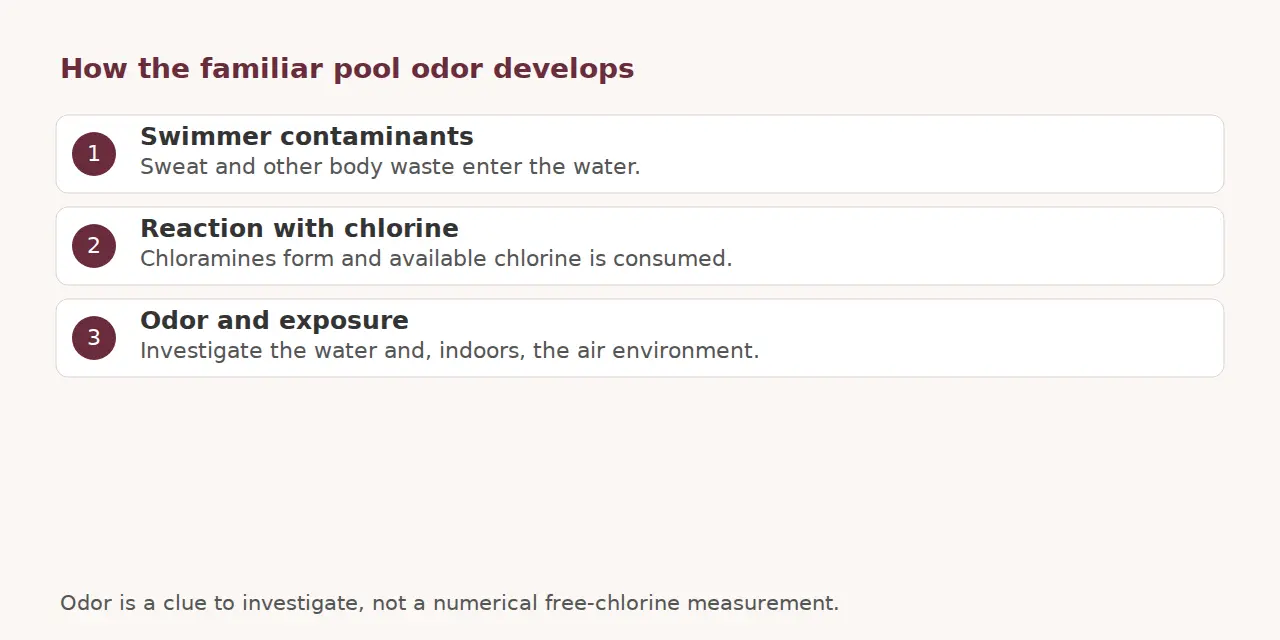
Does a stronger smell mean more chlorine?
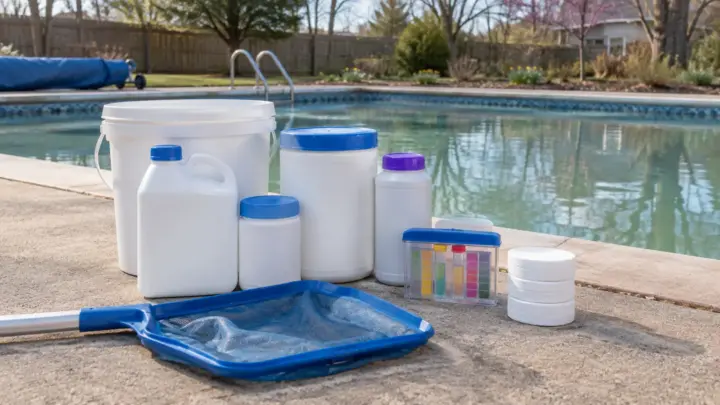
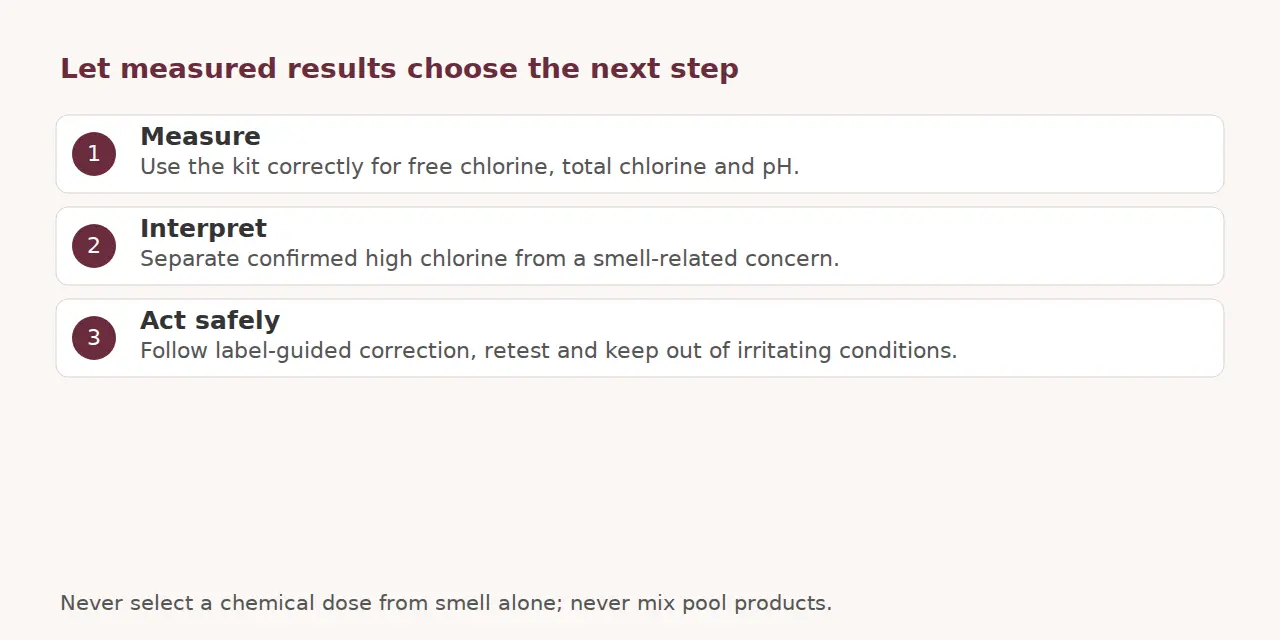
You cannot turn odor into a free-chlorine reading. Measure free chlorine, total chlorine and pH using your kit’s instructions. Combined chlorine is total chlorine minus free chlorine; use a test that measures both rather than trying to calculate it from smell. The pool water testing guide covers the other routine measurements.
If testing confirms high chlorine, use the guidance for confirmed high chlorine. That is a separate maintenance problem. Automatically lowering sanitizer because the pool smells strong skips the measurement that distinguishes it.
Indoors, chloramines also accumulate above the water when fresh-air exchange is inadequate. Ventilation and exhaust matter alongside water treatment, as the CDC’s operator guidance explains. Clear-looking water alone leaves that air question unanswered.
What should you do next?
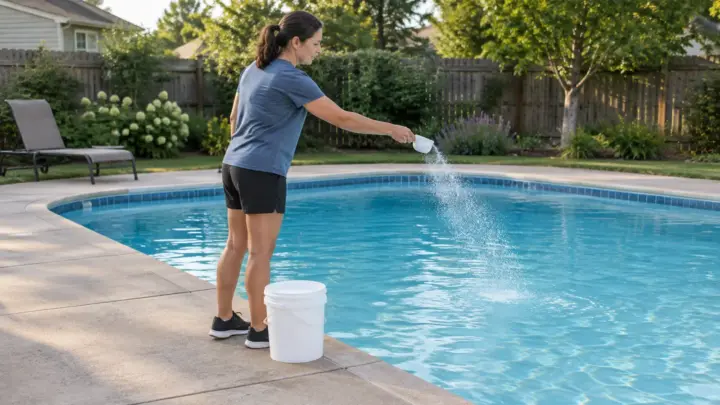
Leave irritating swimming conditions and tell the pool owner or operator about the smell. At your own pool, record the test results before choosing a correction. Follow the product label and retest; the odor by itself supplies no chemical dose. Never mix pool products.
For treatment decisions, the pool shock guide explains that separate task. An indoor facility’s airflow assessment belongs to its qualified staff.
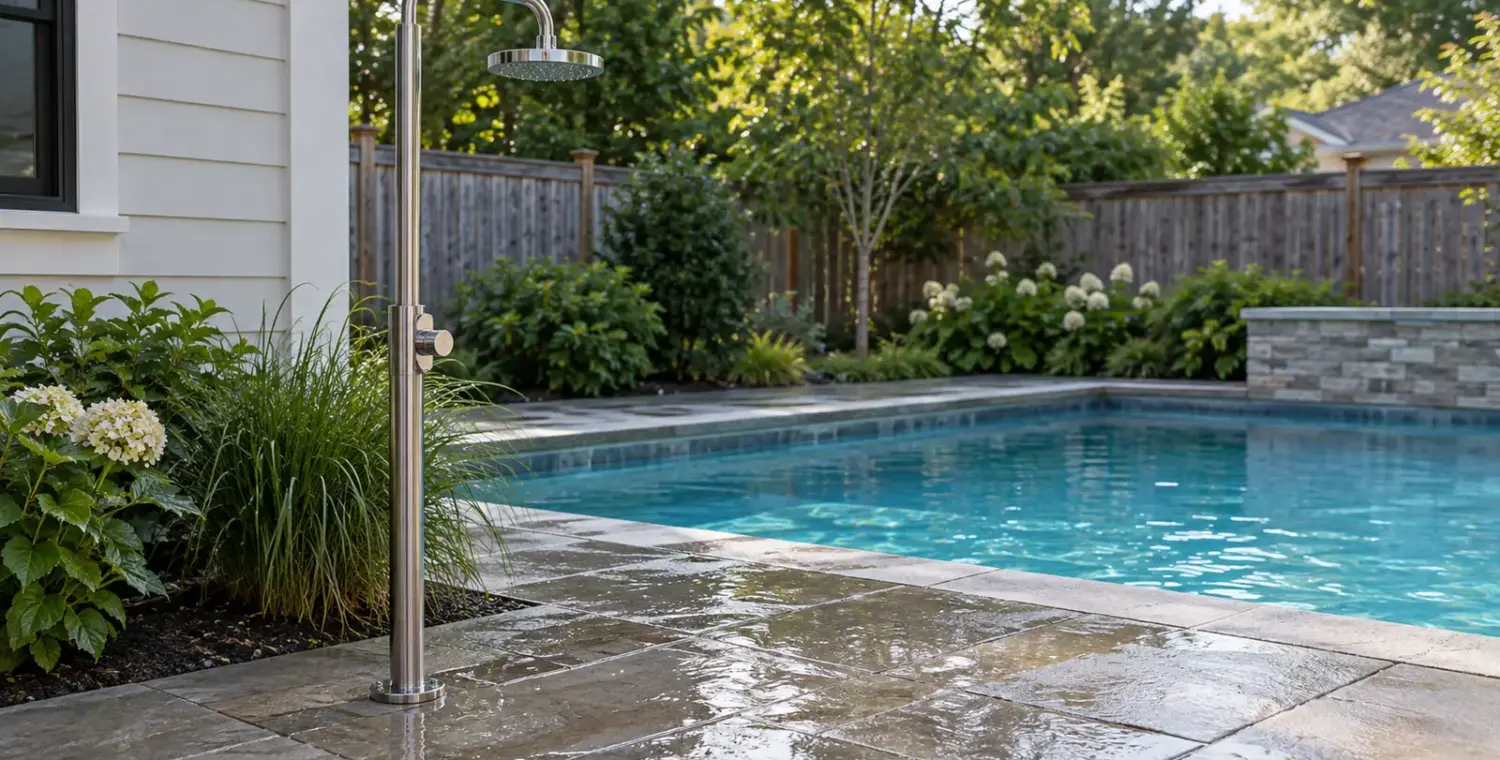
Preventing the contaminants is useful too: shower before swimming, use the bathroom first, and take children for bathroom breaks. Those habits reduce what chlorine has to react with.
Remember the simple rule: investigate the smell, then act on measured results. Keep swimmers out of irritating conditions while the problem is addressed.
Research checked 2026-10-05.